 SSWOCO
Being a humanitarian worker means a lot
Butrus Olay, a WOCO community worker in Fashoda County, on what humanitarian work asks of him and what online learning changed.
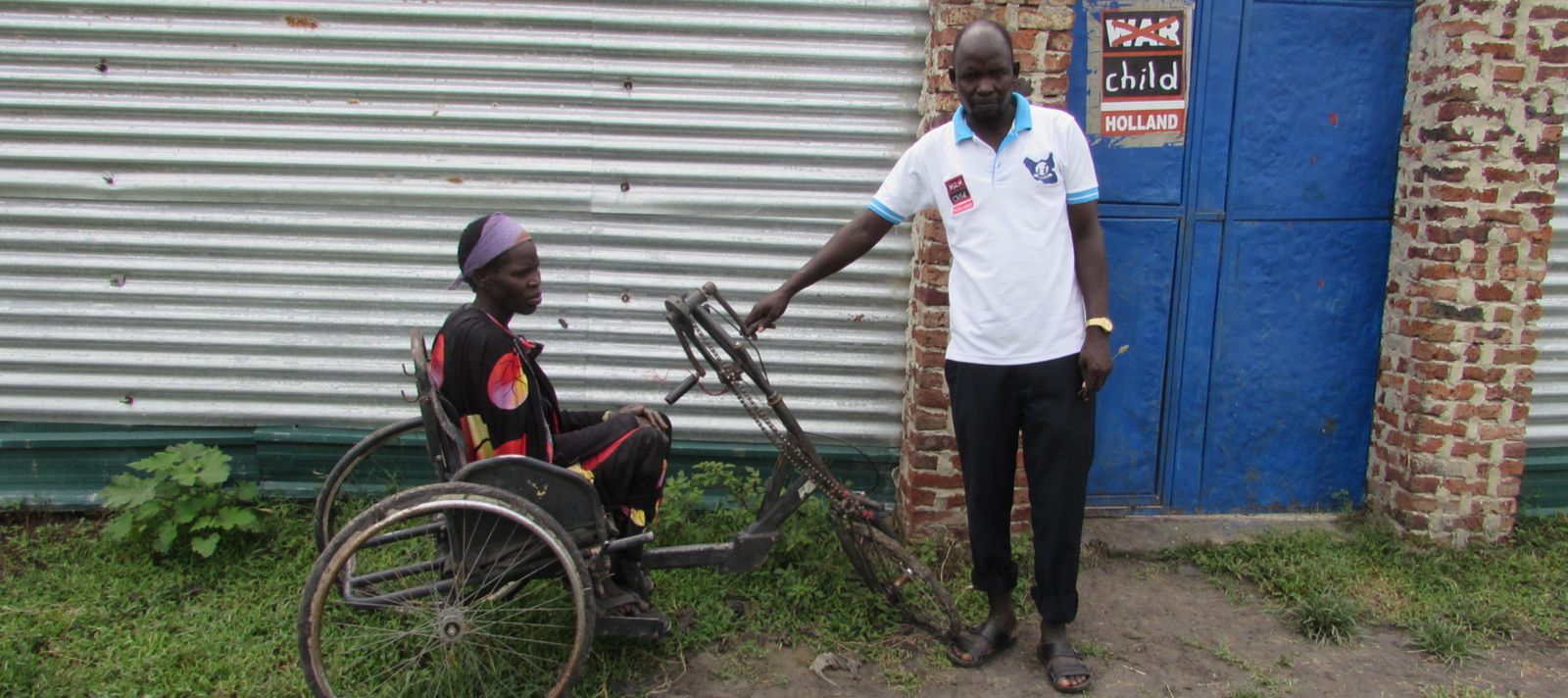
“Being a humanitarian worker means a lot. It requires you to be there always in time of need, to help alleviate human suffering and save lives, anytime and anywhere.”
I'm Butrus Olay. I work as a community worker for Widows and Orphans Charitable Organization (WOCO) in Fashoda County. I joined the humanitarian world in 2015.
Humanitarian work requires being responsible and conscious of the circumstances of other people's lives. It requires you to respond to and support vulnerable people on the basis of need, without discrimination. I'm happy to have a job that reflects my values and what I believe in. Working with disadvantaged people requires integrity, self-discipline, independence and neutrality.
Learning on Kaya
Since I joined the Kaya online learning platform, I have seen changes in my behaviour, skills and knowledge. I'm able to carry out my duties as required. I have learnt a lot from the Core Humanitarian Standard course I completed on Kaya, and now I apply what I have learnt in my daily work.
I believe that changing people's lives positively and supporting them to come out from darkness into light will inspire them to face life and be stronger. I'm there to help my community identify their opportunities and challenges, help them to believe in themselves, and look for sustainable answers for real change.
Human interaction
The favourite part of my work is that it is all about real human interaction. I do a better job if I understand what makes the community I'm serving feel comfortable and satisfied, what aspirations they have and how they see their future. It is not easy: it requires one to deny himself and carry his cross, to seek solutions and to advocate on behalf of the affected community.
Dutch Relief Alliance, through War Child Holland.
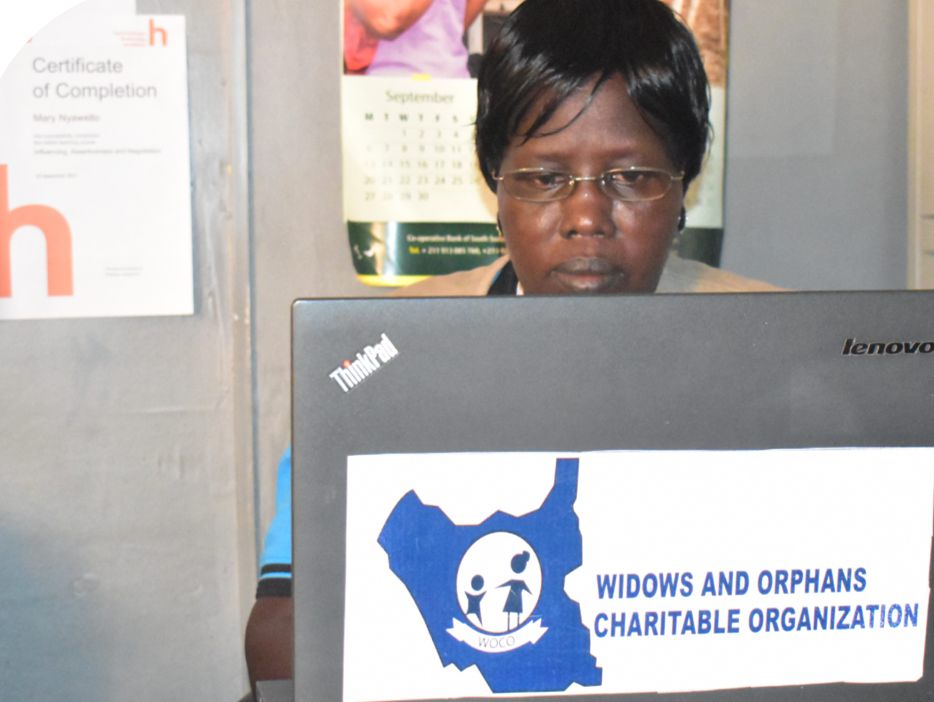
How a chance conversation at the NGO Forum turned our Executive Director into a weekly online learner, and why she recommends it to every NGO.
Keep readingOne email when there is news. No spam.
Related stories
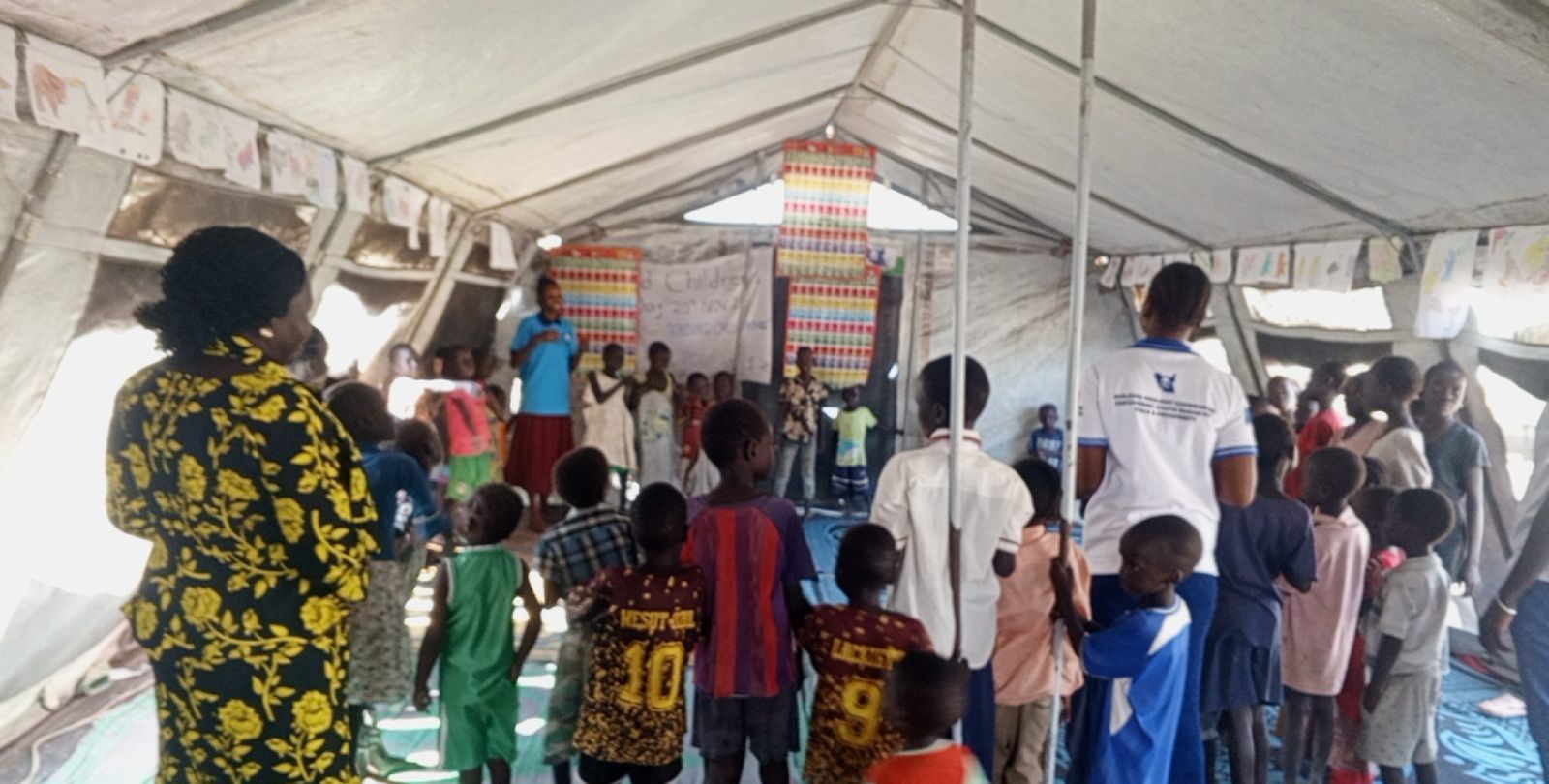
Safe places to play, learn and heal
Child Friendly Spaces give children in Malakal, Paloch and Wadakona a safe place to play, learn and get support.
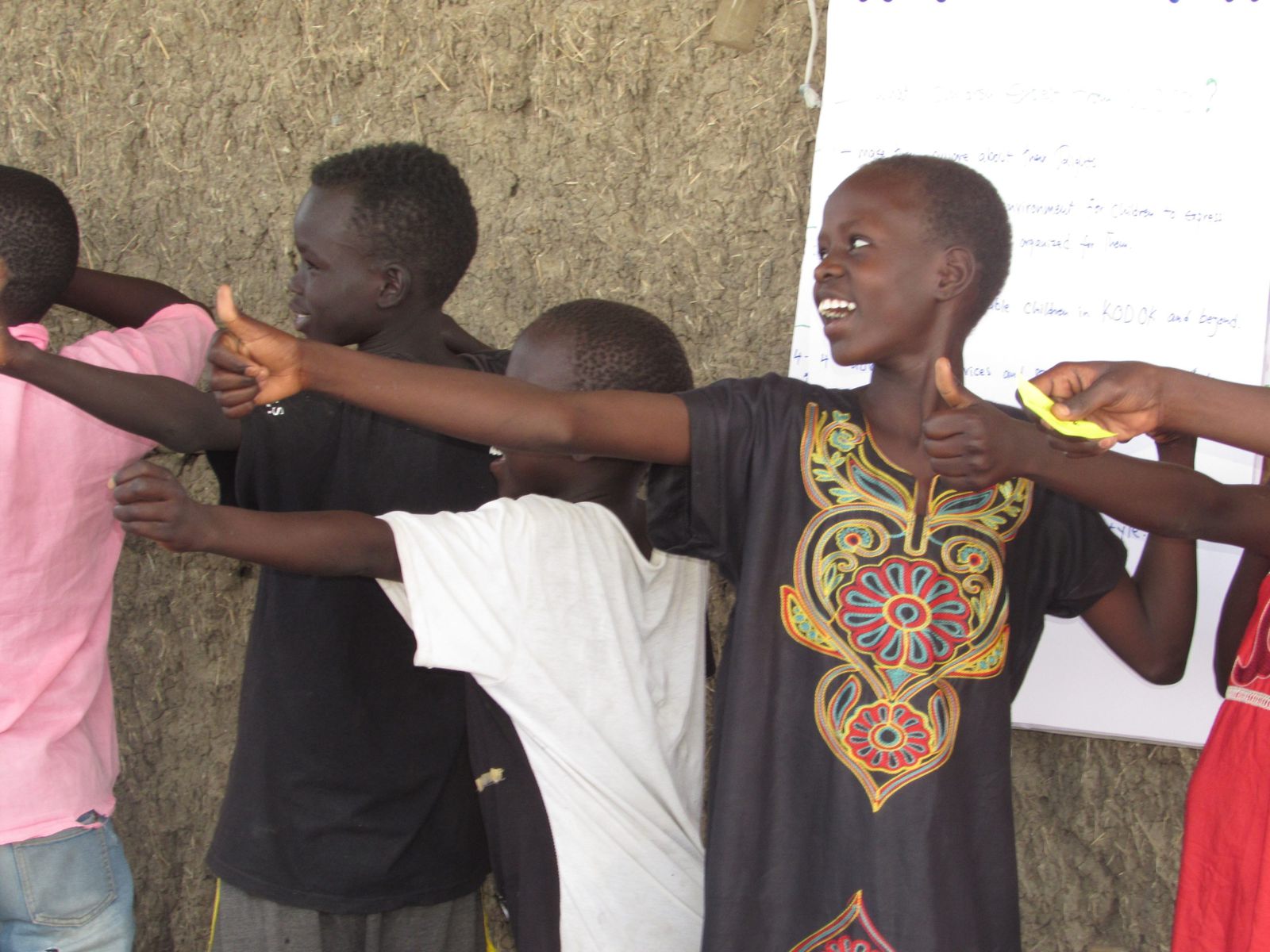
Listening to communities: 94 pieces of feedback in one month
Community accountability committees, phone calls and child-friendly tools help people tell us what works and what does not.
Empowering caregivers: Be There facilitator training in Malakal
In the heart of Malakal, South Sudan—a region deeply affected by armed conflict, displacement, and adversity—a transformative initiative is underway to support caregivers raising children in unimaginably…