Women-led · South Sudan · Since 2011

Safe children.Strong women.Peaceful communities.

For fifteen years we have worked with families affected by conflict in Malakal and across Upper Nile, and in Juba.

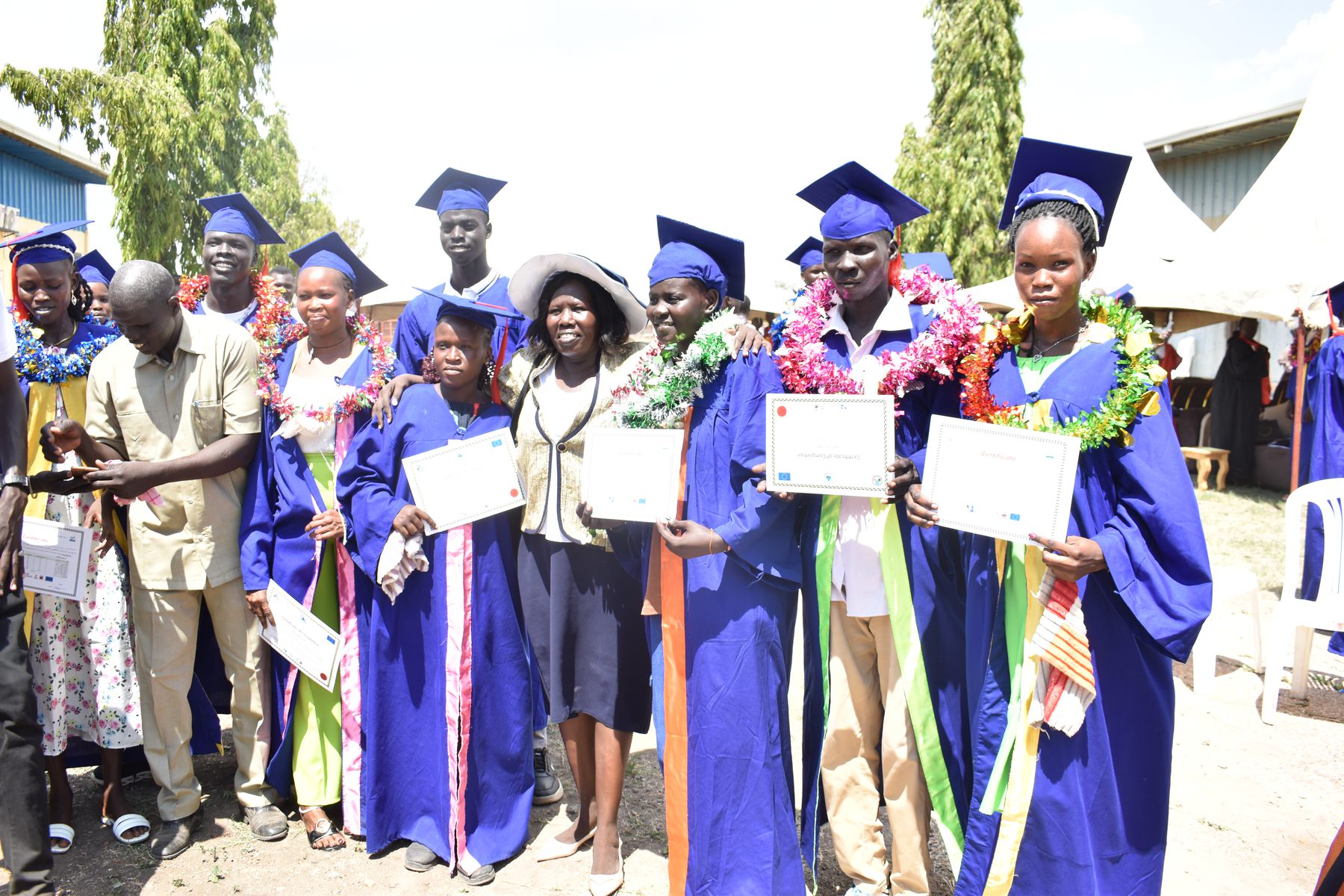
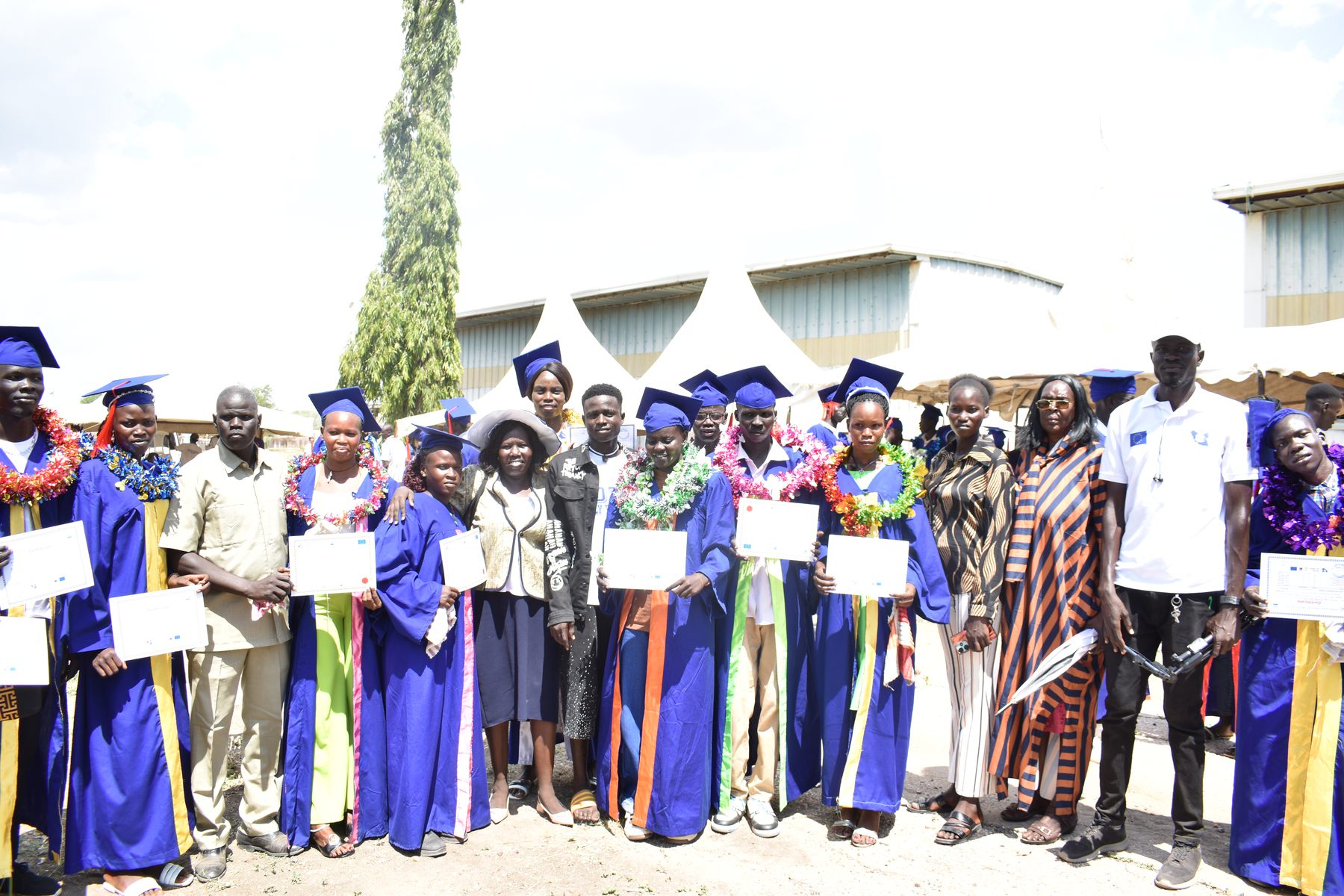
Graduates hold their certificates at Malakal Vocational Training Centre, April 2026
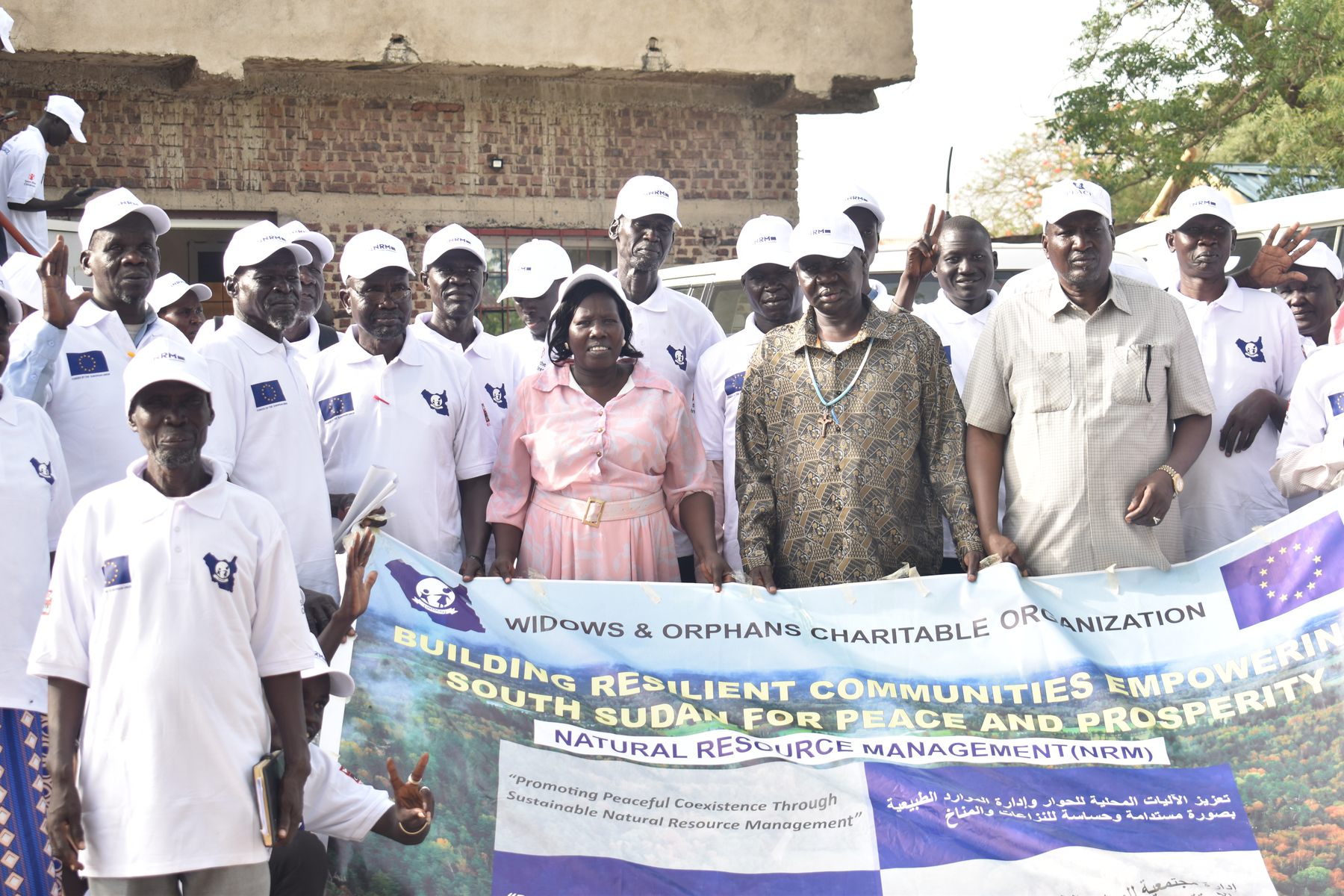
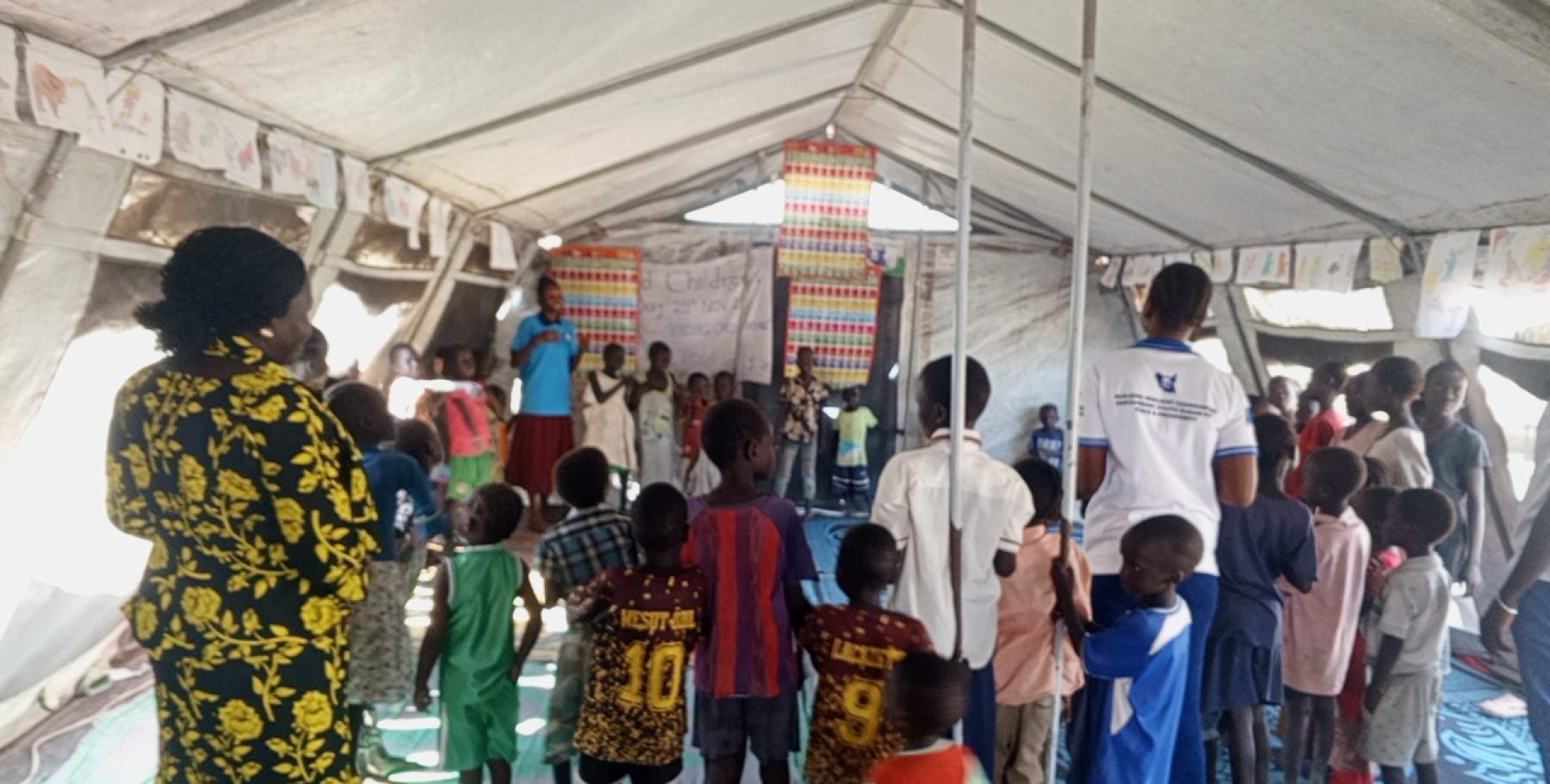
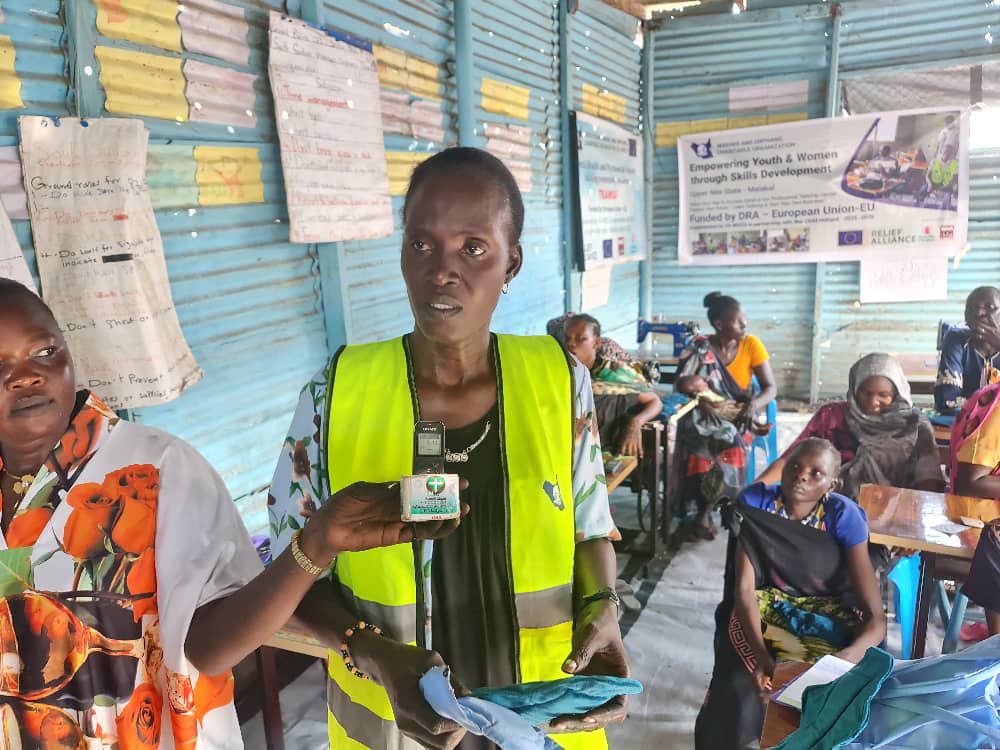
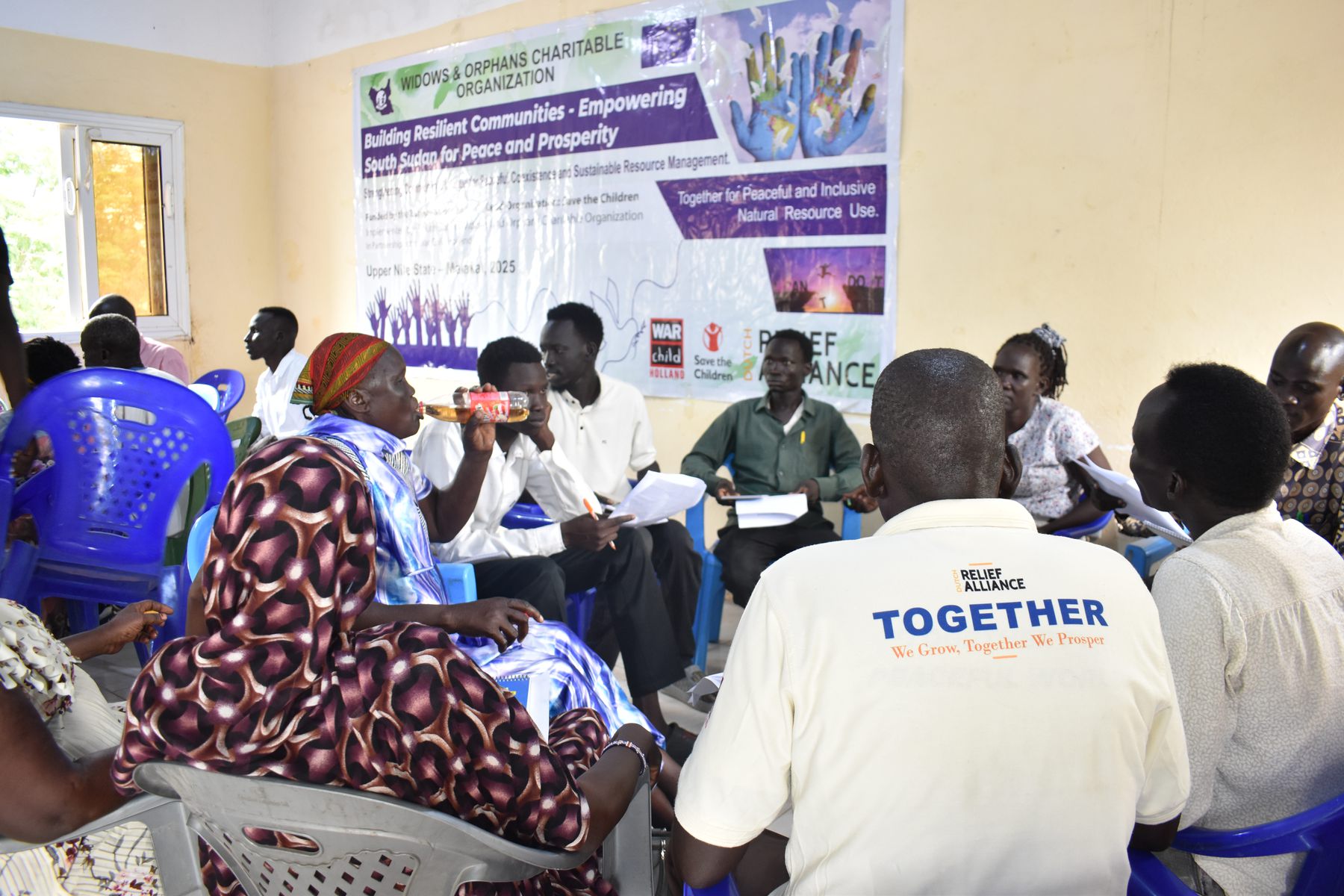
Peace Ambassadors and participants with the Building Resilient Communities banner, Malakal, April 2026
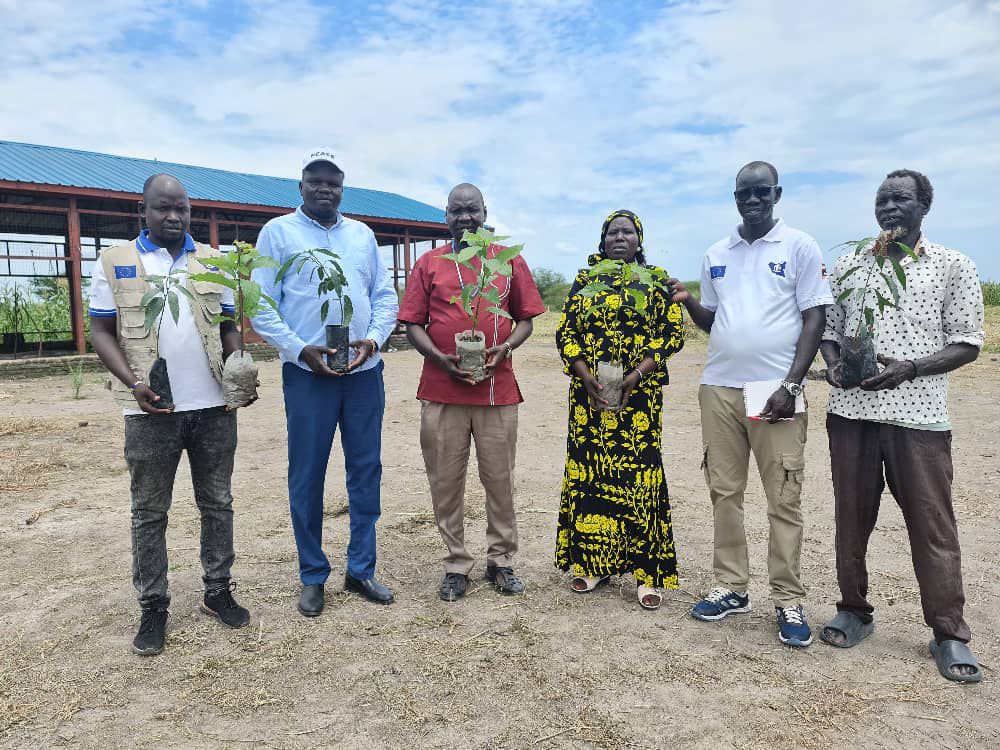
SSWOCO staff and community members with fruit seedlings in Ogod Payam, September 2026

Our donors and partners

European UnionDutch Relief AllianceWar ChildSave the ChildrenUNDPUNICEFFAO
Who we are

A women-led organisation founded in 2011 by women who saw the suffering of widows and children and decided to act.

Today our team works in Malakal and across Upper Nile State, with our head office in Juba. We keep children safe, help women earn an income, and bring communities together to resolve conflict peacefully.

About SSWOCO
2011Founded in South Sudan
7Places where we work today
65Staff and volunteers
8Community accountability committees
Impact

Numbers we can show you

Every figure comes from our records and is checked by our monitoring team before it is published.

See all results
980

children registered in safe play spaces

494 girls · 485 boys · Draft
456

people in village savings groups

409 women · 47 men · Draft
1,200

people served by a renovated water point

Approximate · Ogod Payam, Oct 2026 · Draft
300

fruit trees planted on community land

5 varieties · Ogod Payam · Verified (example)

Impact register powered by WellReach

Stories

Stories from the field

Behind every number is a person. Read how families in Upper Nile are rebuilding their lives.

“I can now buy food and clothes for my children.”Mary Chol, mother of three and tea shop owner, Aburoc
Read the story
November 2023 · 1 min read

WOCO STEPS UP EFFORTS TO REDUCE THE SUFFERING OF PEOPLE WITH IMPAIRMENTS

With increased humanitarian challenges affecting many of people in South Sudan, a huge toll is on the people who are living with physically impairments.

In the restive region of Upper Nile, these challenges became imminent as people with physical impairments are struggling to make end meet.

Participants pose for a group pictrure with RRC Coordinator, Fashoda County

The impacts of natural disasters and complex emergencies are disproportionally felt by people with disabilities, who are among “the most socially excluded groups in any displaced or conflict affected community”.

However, Widows and Orphans Charitable Organization known as WOCO is taking lead to alleviate the suffering of the people with disability and building their resilience.

To ensure this is done effectively, WOCO has trained and supported a group of people with physical impairments in Kodok, Fashoda County, Upper Nile State.

At least eleven people have been trained and supported with cash worth $350 each to boost their already existing businesses.

Women and adolescent girls with disabilities are particularly vulnerable to discrimination, exploitation and violence, including gender-based violence (GBV) and often face difficulties in “accessing support and services that could reduce risk and vulnerabilities”.

Social exclusion, discrimination and stigma often increase vulnerability to violence, abuse and exploitation.

WOCO undertake this approach as part of its overall strategic programming to promote intervention for the vulnerable communities in the restless region irrespective abilities.

Around one million people are estimated to be living with impairments in South Sudan, that is about 11% of the total population of the country according to the union of people leaving with disability. About 250,000 are living in emergency settings and majority are women and girls.

Open the story page
WOCO trains Women on soaps making in Kodok, Fashoda
August 2023

WOCO trains Women on soaps making in Kodok, Fashoda

Women in Kodok can now make both liquid hand soap and bar soap.

WOCO’s response to crisis in Fashoda County
June 2023

WOCO’s response to crisis in Fashoda County

The conflict which erupted in Fashoda County between September and October ,2023, displaced thousands of civilians in multiple locations.

Ojwol finally gets wheel chair
March 2023

Ojwol finally gets wheel chair

When I visited Malakal PoCs in August 2022, Mutahakit Ojwol had to scroll from his place to CFS which is about 100 meters away.

SSWOCO trains staff on Gender and disability inclusion in projects in Kodok, Fashoda
March 2023

SSWOCO trains staff on Gender and disability inclusion in projects in Kodok, Fashoda

South Sudan Widows and Orphans Charitable Organization has conducted a training to project staff in Kodok Fashoda on gender and disability inclusion in programs.

WOCO ORGANIZES TRAINING FOR SSJR PARTNERS’ AAP OFFICERS
March 2023

WOCO ORGANIZES TRAINING FOR SSJR PARTNERS’ AAP OFFICERS

As parts of its mandate, South Sudan Widows and Charitable Organization SSWOCO organized a training on data collection, entry and analysis aims at strengthening the capacity of Accountability to Affected…

The effects of war on children
March 2023

The effects of war on children

Experiencing armed conflict during childhood and adolescence poses serious mental health risks

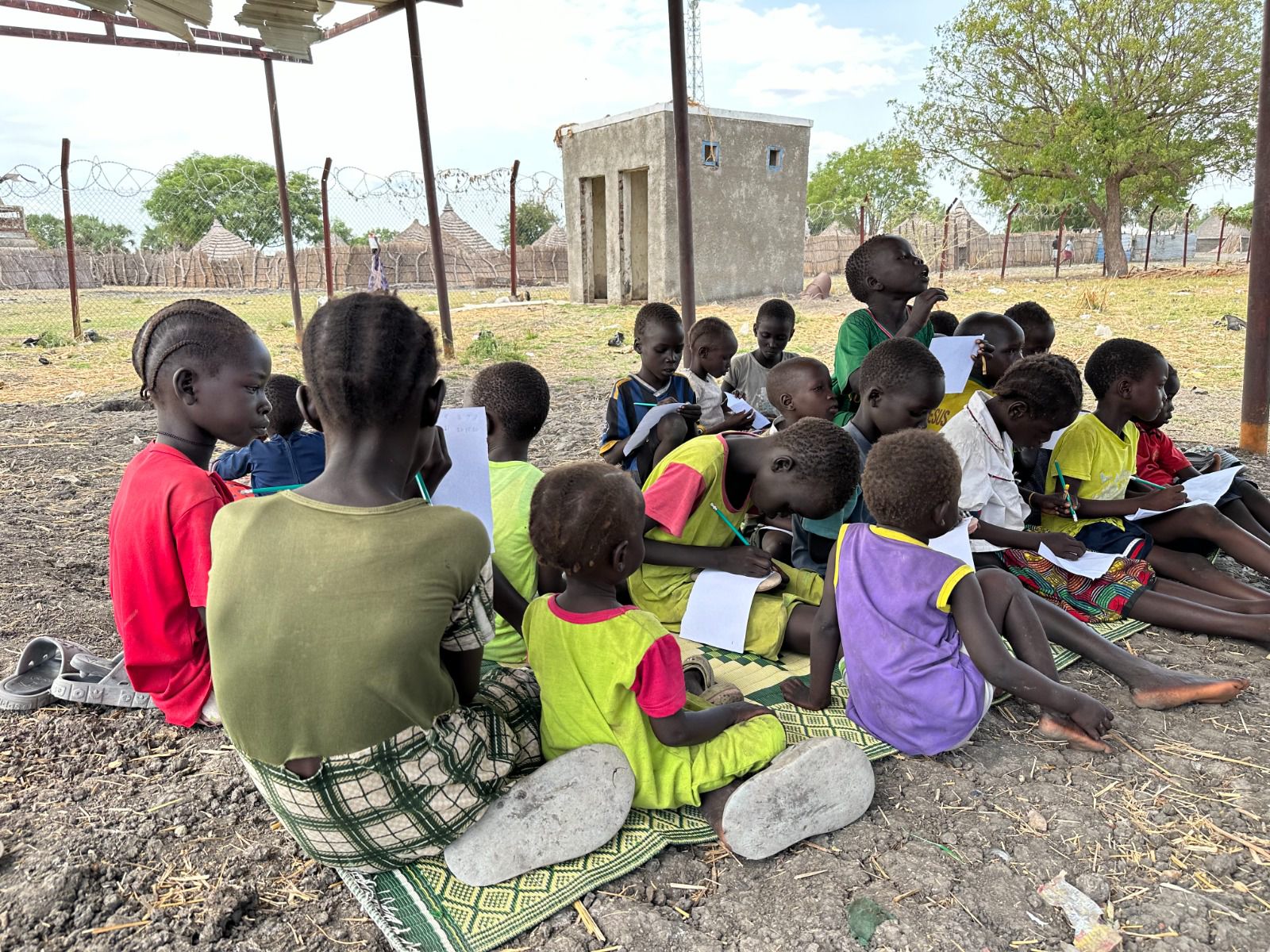
SSWOCO provides Child Friendly Spaces to promote MHPSS for Children in emergency.
March 2023

SSWOCO provides Child Friendly Spaces to promote MHPSS for Children in emergency.

During emergencies, children are often exposed to injuries, exploitations, abuses and other dangers.

SSWOCO Uses Community dialogues to Strengthen response to aids service.
March 2023

SSWOCO Uses Community dialogues to Strengthen response to aids service.

South Sudan Widows and Orphans Charitable Organization SSWOCO, uses community-based dialogue to cultivate connection and deep learning through exploration of critical and contentious issues such as Child…

Latest

News, photos and videos

What our teams have been doing this year.

August 2025 · 2 min read

Amplifying Voices for Justice and Healing in South Sudan

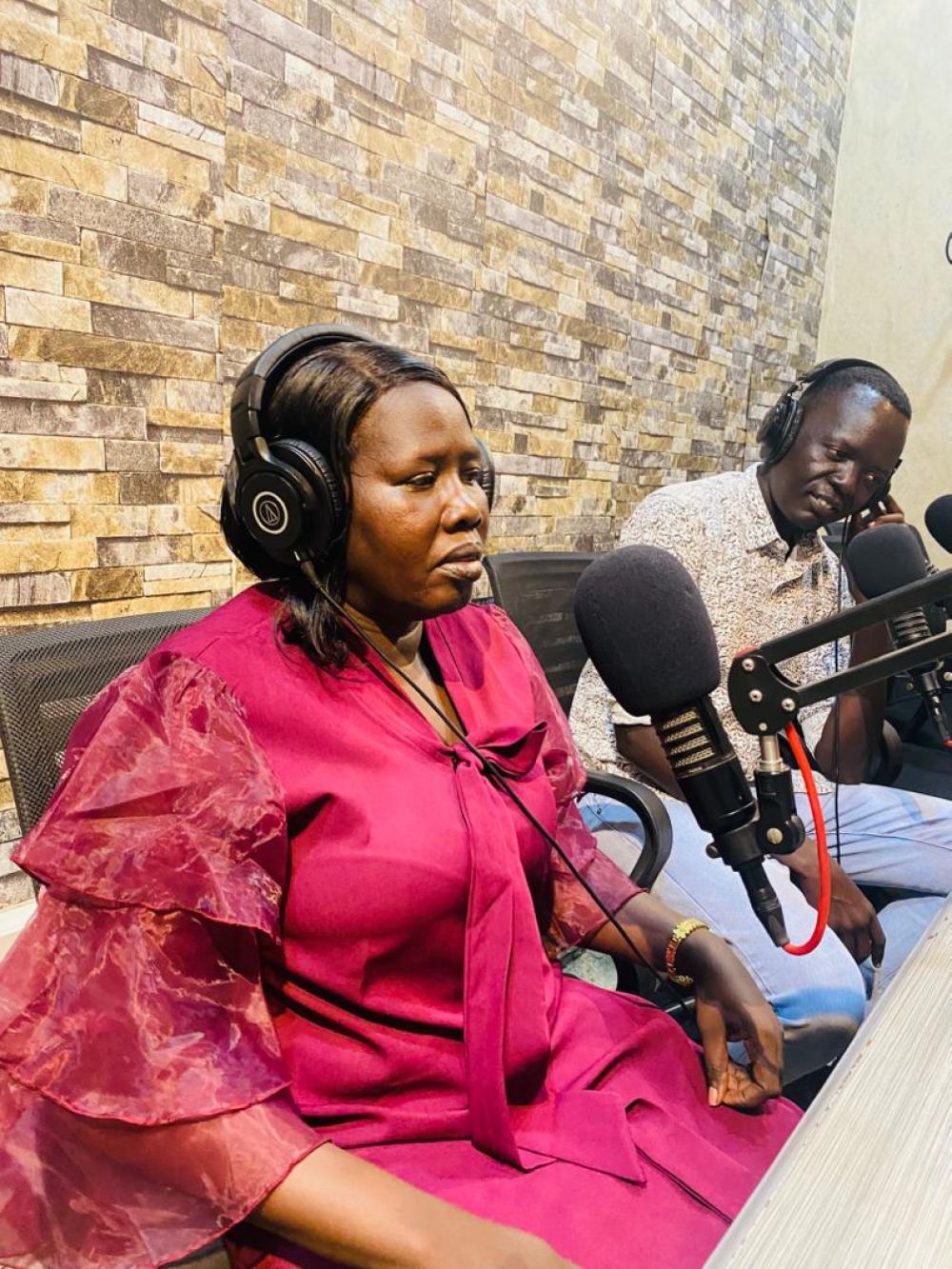
At South Sudan Widows and Orphans Charitable Organization (SSWOCO/WOCO), we believe that true peace begins with justice, truth, and reconciliation. Recently, our Executive Director, Madam Mary, and our colleague Mr. Wanis joined a national radio program on transitional justice to share our perspective and the voices of the communities we serve.

Centering the Voices of Survivors

During the discussion, we brought forward testimonies from Malakal — widows, displaced persons, people living with disabilities, and other survivors of conflict. Their stories remind us why transitional justice cannot remain an abstract policy, but must be felt in the lives of ordinary South Sudanese.

Our Role as WOCO

Since our founding in 2011, WOCO has worked to protect widows, orphans, and vulnerable groups through child protection, psychosocial support, peacebuilding, and resilience programs. We currently serve communities in Malakal and Melut counties, and as part of a consortium with partners like War Child Holland, Plan International, and SADO, we are building pathways of healing and protection across Upper Nile State.

Why Trust and Protection Matter

One of the biggest challenges in transitional justice is fear and mistrust. Survivors often hesitate to speak, worried about retaliation or doubtful that justice will follow. For this reason, we emphasized the need for:

· Confidentiality and protection for victims and witnesses

· True inclusivity — ensuring widows, orphans, persons with disabilities, and survivors of sexual violence are not excluded

· Institutional reforms that rebuild trust in courts, police, and justice mechanisms

· Implementation of existing laws, such as the 2011 Act for War Disabled, Widows, and Orphans

As Madam Mary said during the program:

“Transitional justice must be inclusive. Everyone — regardless of gender, age, or ability — deserves to be part of shaping peace.”

Walking Together Toward Peace

For WOCO, transitional justice is not only about commissions and frameworks. It is about people — their dignity, their stories, and their healing. We remain committed to ensuring that widows, orphans, and vulnerable groups are not left behind as South Sudan journeys toward reconciliation and lasting peace.

Open the post page
Since 2011

Where we work

Today we work in 7 places across Upper Nile and in Juba.

Map: geoBoundaries, Natural Earth, OpenStreetMap

  1. JubaSince 2011 Central Equatoria · Head officeHead office since SSWOCO was founded. Child protection in Mangateen, 2017–2018.
    Stories from here
  2. MalakalSince 2012 Upper Nile · Field officeSafe play spaces and case management, peace dialogues, vocational training, transitional justice.
    Stories from here
  3. KodokSince 2017 Fashoda County, Upper Nile · Field officeChild protection, women's businesses, flood response and disability inclusion.
    Stories from here
  4. MelutSince 2022 Upper Nile · Field officePsychosocial support, savings groups and community accountability committees.
    Stories from here
  5. PalochSince 2024 Melut County, Upper NileSafe play spaces, psychosocial support and accountability sessions with children.
  6. WadakonaSince 2024 Manyo County, Upper NileSupport for families fleeing the war in Sudan, and safe play spaces.
    Stories from here
  7. Ogod PayamSince 2024 Malakal County, Upper NileA renovated water point, 300 fruit trees and demonstration gardens.
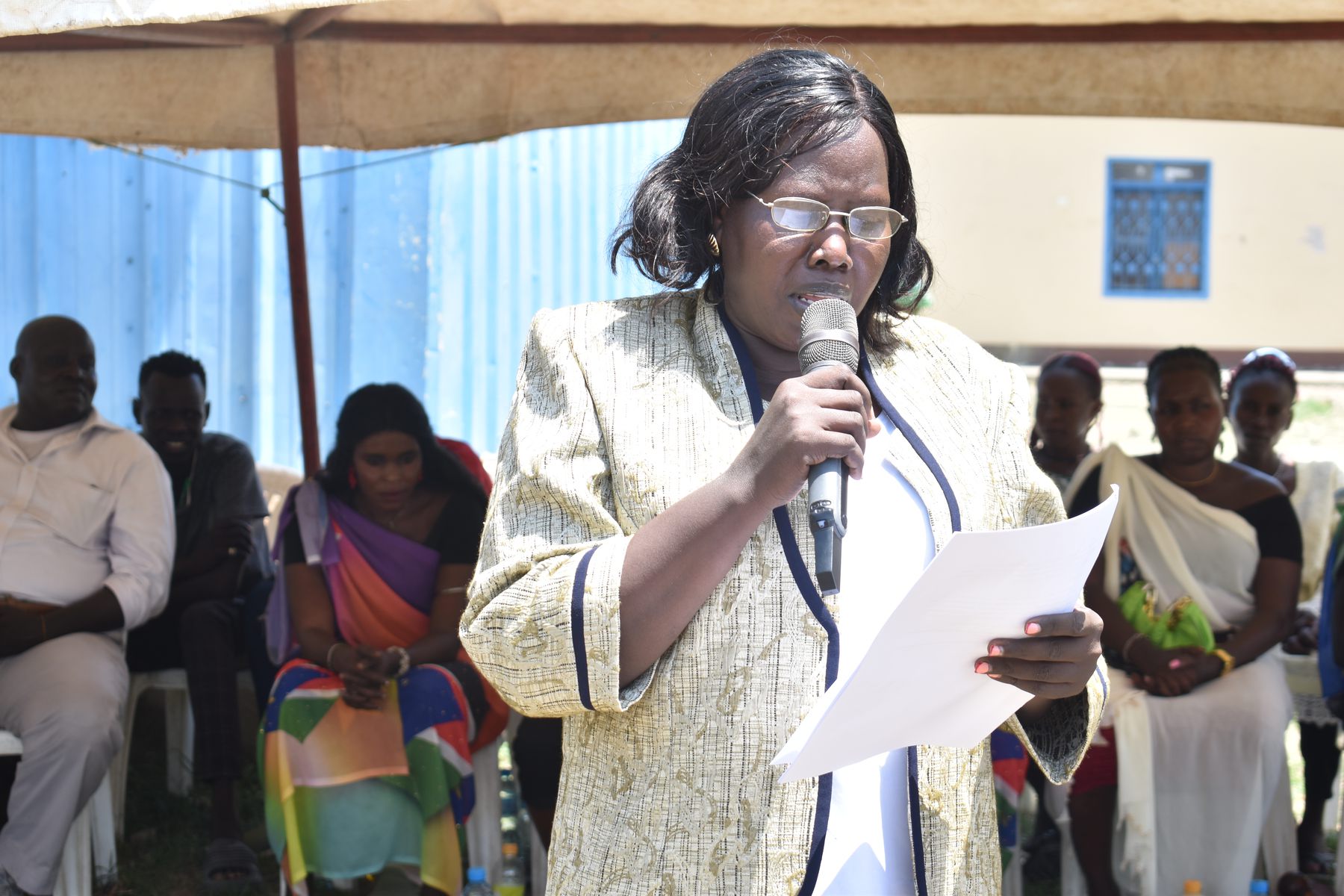
The SSWOCO Executive Director speaks at the graduation, April 2026
Our people

Led by women, rooted in the community

Our Executive Director, Mary John Othow, leads a team of South Sudanese professionals from Juba to the field. We work closely with government, chiefs, faith leaders and UN agencies.

Partners

Who we work with

UN agencies and international organisations fund our work. We deliver it with the communities.

How we work with partners
  1. 2024–2027European Union

    Building Resilient Communities · consortium led by Save the Children, with DRA and War Child Holland · Malakal, Ogod

    Stories from this work
  2. Since 2018Dutch Relief Alliance, through War Child Holland

    South Sudan Joint Response: child protection and safe play spaces · Malakal, Paloch, Wadakona

    Stories from this work
  3. 2026Help A Child, through the Dutch Relief Alliance

    Three-month emergency response · Nagdier, Malakal

    Stories from this work
  4. 2024–2025UNDP

    Transitional justice · Malakal PoC

    Stories from this work
  5. 2024FAO

    Fishing kits and seeds · Panyikang

  6. 2012–2021UNICEF

    Child protection · Kodok, Aburoc, Fashoda, Malakal

  7. EarlierUNFPA, Norwegian People’s Aid, IMA

    Flood response, women’s land rights, HIV/AIDS prevention

Stand with women and children in South Sudan.

Your gift helps survivors heal, keeps children safe and builds peace. We report openly on how it is used.